Planning your first trip to Kenya can feel exciting and overwhelming at the same time. Kenya offers very different experiences within one journey: wildlife safaris, Rift Valley lakes, conservation centres, highland landscapes, Indian Ocean beaches and one of Africa's most energetic capital cities. The best way to enjoy it is to plan around your priorities rather than trying to see everything at once.
This guide explains the practical details first time travellers usually need to know before arrival, including entry requirements, safari timing, transport, money, packing, wildlife etiquette and how to choose destinations that fit the length of your trip.
1. Check Kenya entry requirements before booking flights
Kenya uses an Electronic Travel Authorisation system for many international visitors. Requirements depend on nationality and traveller status, and exemptions apply to some passport holders. The safest approach is to verify your exact requirements directly through the official Kenya eTA website before travel.
The official application guidance states that travellers may need a passport valid for at least six months after planned arrival, a passport style photo or selfie, contact details, arrival and departure information and accommodation confirmation. Requirements can change, so avoid relying on old travel blogs or screenshots.
2. Decide what kind of Kenya trip you actually want
A first trip becomes easier to plan when you decide what matters most. If your priority is classic wildlife, start with major safari areas such as Masai Mara National Reserve, Amboseli National Park or Ol Pejeta Conservancy.
If you want a gentler itinerary with fewer long drives, combine Nairobi with Lake Naivasha and Lake Nakuru National Park. Travellers interested in active outdoor experiences can add Hell's Gate National Park for cycling, hiking and dramatic Rift Valley scenery.
For a short introduction, our 3 Day Amboseli Private Safari, 3 Day Masai Mara Private Safari and 3 Day Lake Naivasha and Lake Nakuru Safari show how focused three day itineraries can work without rushing between too many destinations.
3. Understand Kenya's safari seasons
Kenya can be visited throughout the year, but the experience changes with rainfall, grass height, wildlife movement and road conditions. Kenya Wildlife Service describes July to December and December to March as major tourist periods for many parks, while April to June generally corresponds with the long rains. See the current guidance from Kenya Wildlife Service.
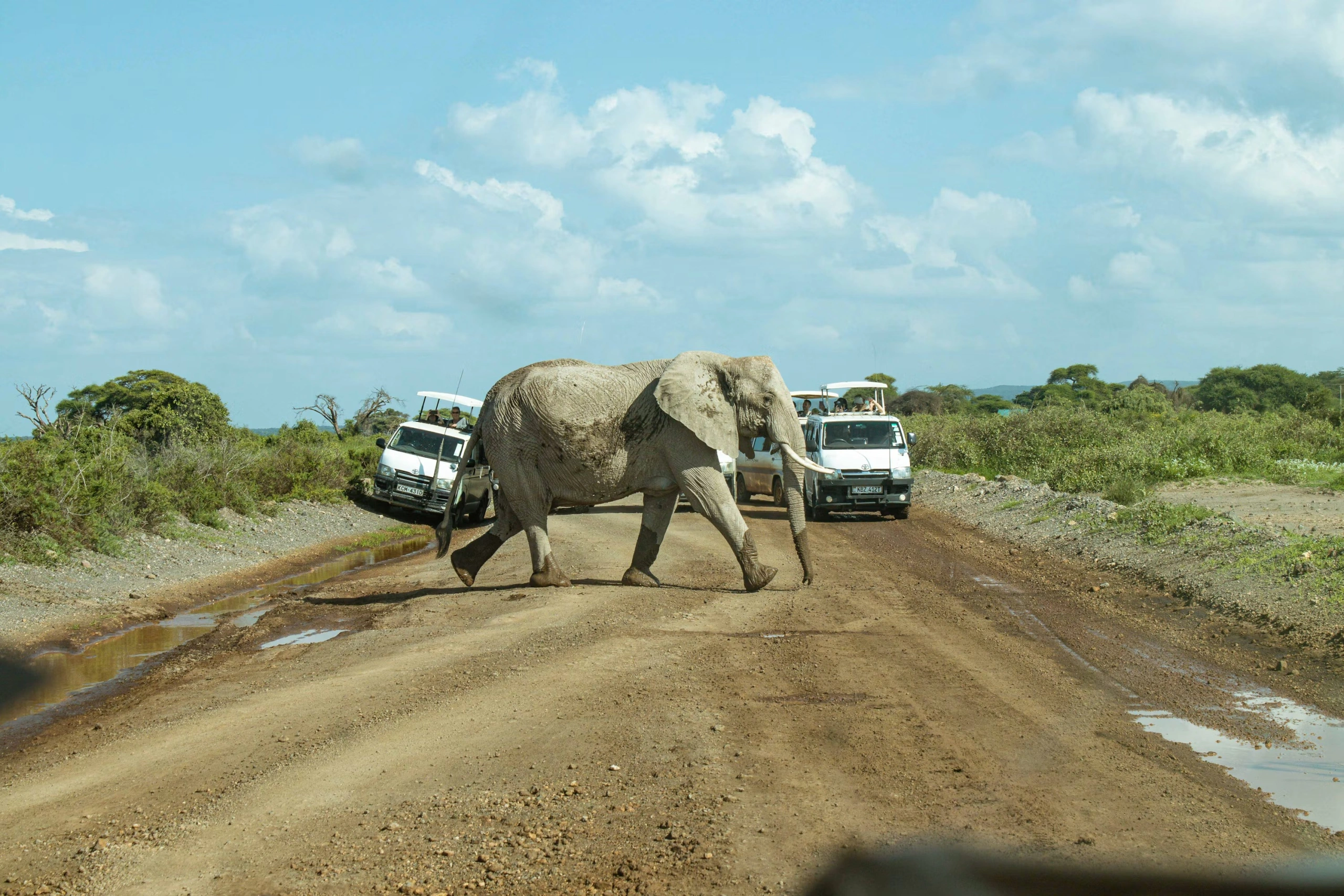
The right month also depends on the destination. Amboseli can be rewarding for elephants throughout the year. Lake Nakuru is a year round wildlife and birding destination. The Masai Mara is famous for migration activity during part of the year, but wildlife remains present beyond migration season.
4. Do not plan your trip around one guaranteed wildlife moment
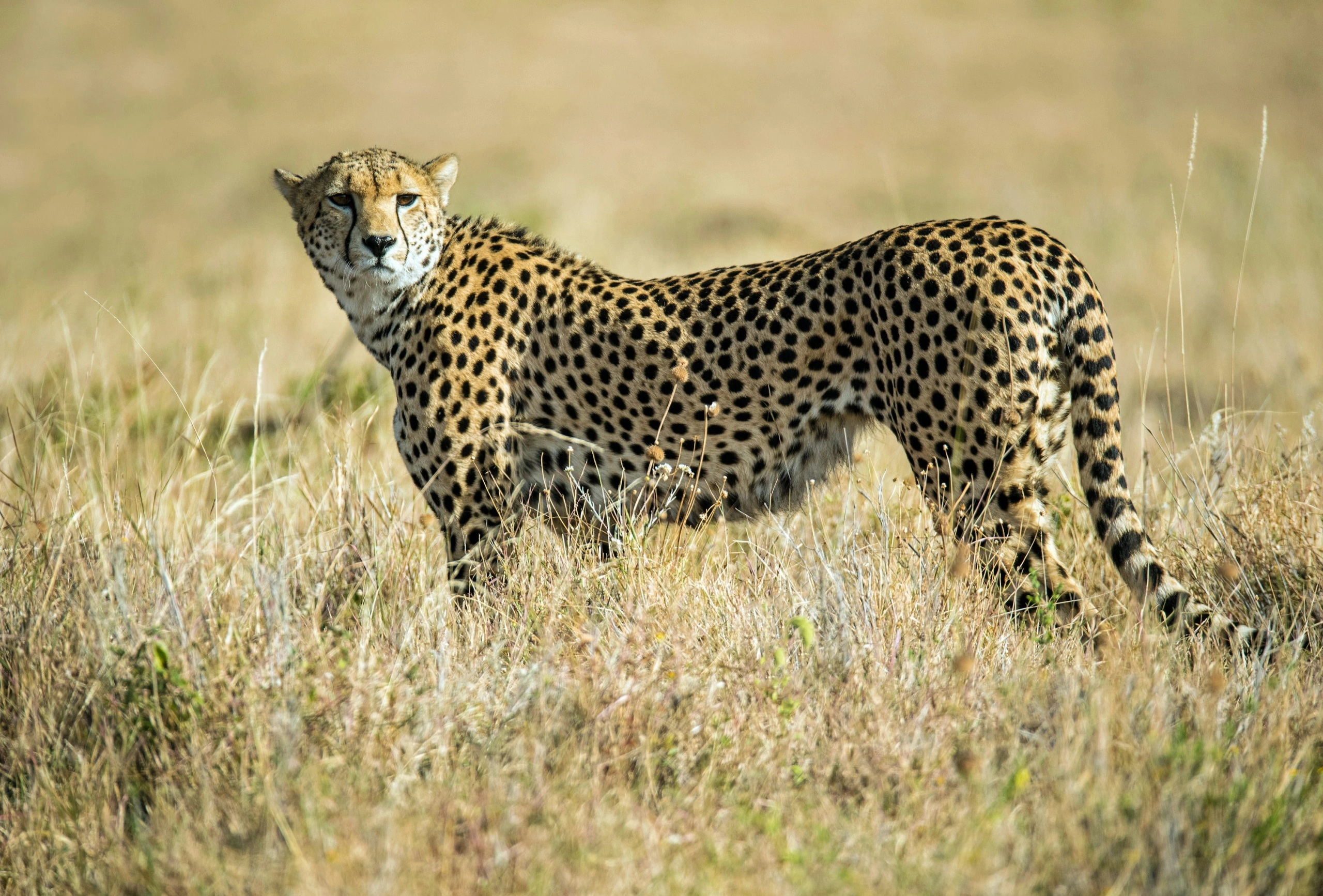
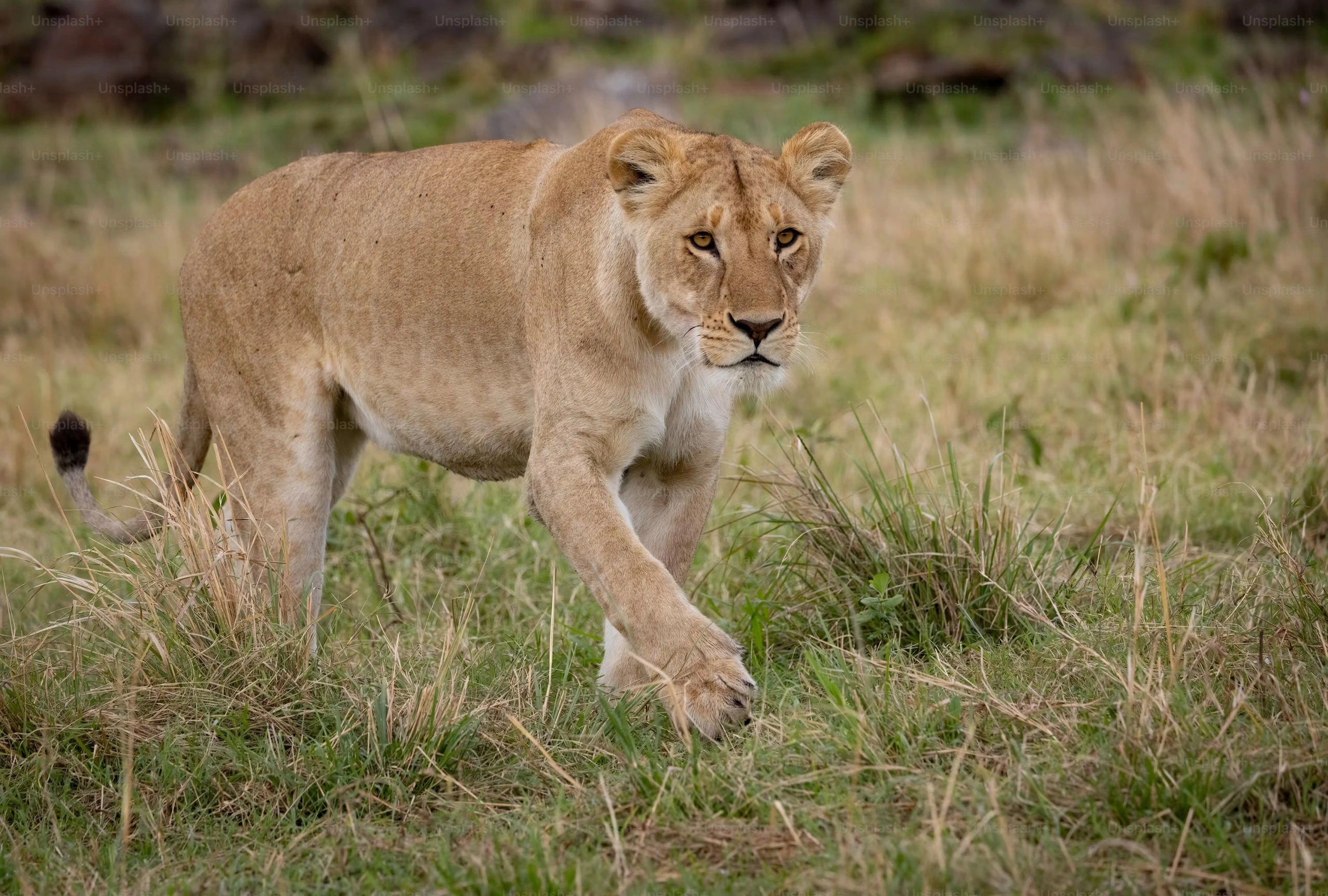
Wildlife is not scheduled. Lions can move overnight, elephants can leave an area, flamingo numbers can change and wildebeest river crossings cannot be booked for a particular afternoon. A good safari is designed around habitats and enough game viewing time rather than a promise of one sighting.
That is also why spending two nights in one important wildlife area is often better than trying to visit a new park every day.
5. Private safari or group safari?
A private safari gives you more control over departure times, photography stops, game drive pace and route decisions. It is especially useful for couples, families, photographers and travellers who want a personalised itinerary.
A group safari can reduce the per person transport cost, but it usually follows a more fixed programme and may involve waiting for other travellers. Esperanza Tourism currently focuses strongly on private itineraries because they allow the route to be built around the client's dates and interests. You can start with our Plan My Safari form.
6. Road safari or fly in safari?
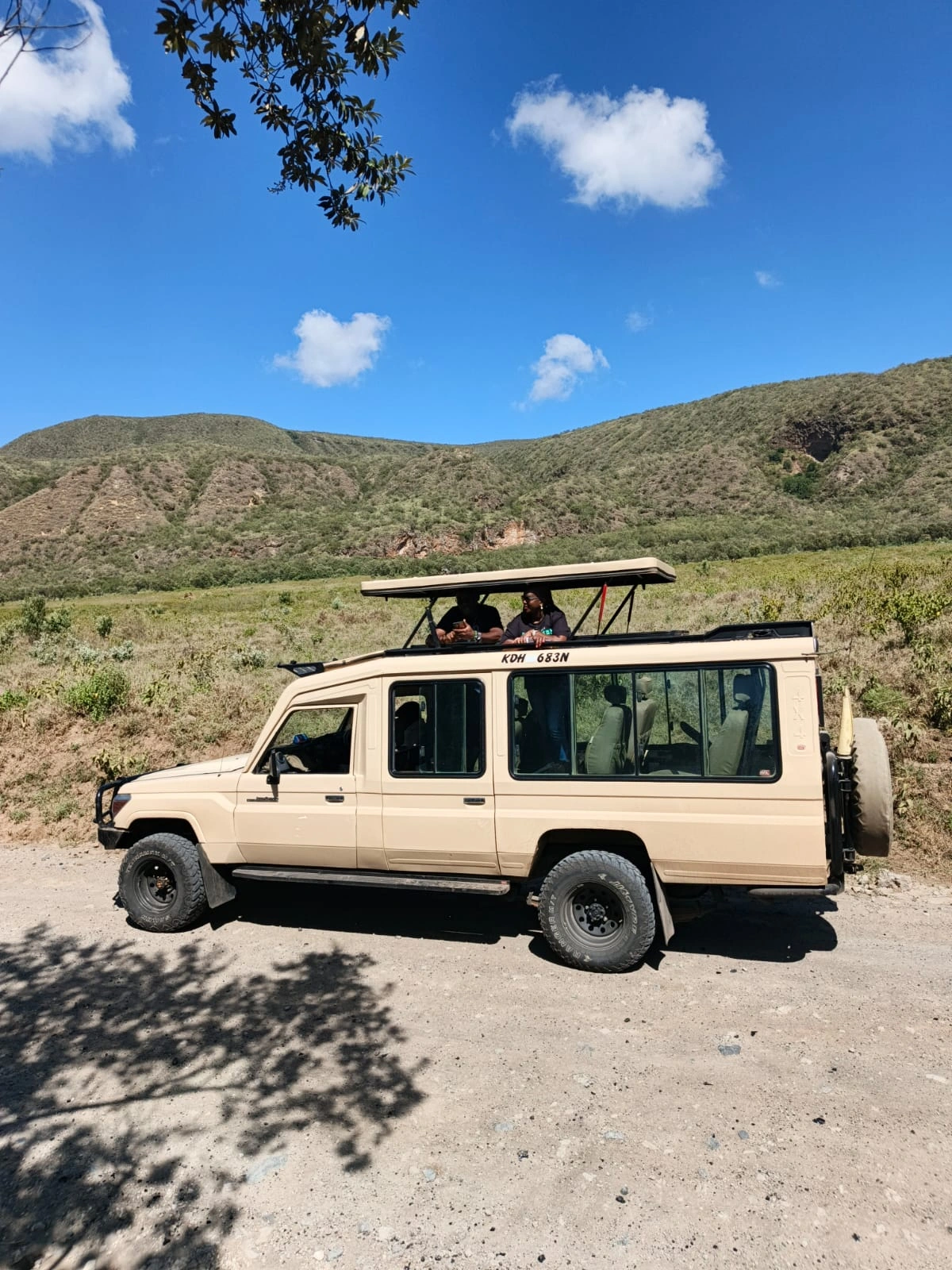
Road travel lets you see the countryside between destinations and can offer better value when several places connect naturally. A private safari vehicle also remains available for game drives.
Flying reduces long transfers and can be useful when the trip is short or when destinations are far apart. Flights, baggage rules and transfer arrangements should be confirmed before booking because light aircraft can have stricter luggage limits than international airlines.
7. What to pack for your first Kenya safari
Kenya Wildlife Service recommends adaptable clothing because temperatures can change significantly between early morning, midday and evening. Practical safari items include loose fitting trousers and shirts, a hat, sunglasses, lace up shoes, insect repellent, binoculars and a small medical kit. See the current KWS safari packing guidance.
Neutral colours are useful because they are comfortable in dusty environments and less visually distracting around wildlife. You do not need to dress like a professional guide. Comfortable, practical clothing is more important than fashion.
8. Bring layers, not just hot weather clothes
Many first time travellers imagine Kenya as hot everywhere. In reality, early morning game drives around Nairobi, the central highlands, Laikipia and the Rift Valley can be cool. A light fleece or warm layer is useful even if afternoons become warm.
9. Use a small safari bag when possible
Large rigid suitcases can be awkward in safari vehicles and may not be suitable for light aircraft. Soft sided luggage is easier to handle. If your trip includes a fly in safari, confirm the airline's current baggage limit before packing.
10. Money and payments
Kenya uses the Kenya shilling, but many safari quotations are issued in United States dollars because hotels, flights and park related services may use different pricing structures. Ask what currency your quotation is based on and whether bank, card or payment gateway charges apply.
Mobile money is widely used locally, but international visitors should still carry a combination of payment options. Avoid carrying unnecessary large amounts of cash.
11. Health and travel insurance
Health requirements can depend on your origin, recent travel history and personal medical circumstances. Check official government guidance and speak with a qualified travel health professional before departure.
Comprehensive travel insurance is strongly recommended. It should be suitable for the activities in your itinerary and ideally cover medical treatment, evacuation, cancellation, baggage and significant travel disruption.
12. Safari etiquette matters
Protected areas have rules designed to protect wildlife and visitors. Kenya Wildlife Service advises visitors to keep a respectful distance, avoid feeding animals, stay on established roads and remain in the vehicle except in designated areas. The current park guidance is available through Kenya Wildlife Service.
A quieter safari is usually a better safari. Loud voices, sudden movement and crowding animals can affect both wildlife behaviour and the experience of other travellers.
13. Nairobi is worth more than an airport transfer
Nairobi can be part of the safari rather than simply a place to sleep. Nairobi National Park places open wildlife country beside the city skyline. The Giraffe Centre offers conservation education around Rothschild's giraffes, while the Sheldrick Wildlife Trust Nairobi Nursery focuses on orphaned elephant rescue and rehabilitation.
14. Choose fewer destinations and experience them properly
A common first safari mistake is trying to visit five or six destinations in a week. Kenya is larger than it may appear on a map, and road transfers can take many hours. A well paced itinerary gives you time for morning and afternoon game drives, rest, photography and unexpected sightings.
For example, seven days can work very well for Nairobi, Amboseli, Lake Naivasha, Lake Nakuru and the Masai Mara if the route is planned carefully. A shorter trip should reduce the number of stops rather than compress the same route.
15. Book the important parts early
Popular lodges, small camps and domestic flights can fill during busy travel periods. If you are planning for July through October, Christmas, New Year or other peak dates, begin earlier than you would for a quiet season trip.
16. Ask what is included before comparing prices
Two safari quotations can look similar but include very different services. Compare park fees, vehicle type, accommodation meal plan, airport transfers, guide services, drinking water, domestic flights and optional activities.
A lower headline price can become expensive if major items are excluded. Esperanza Tourism uses detailed quotations so the confirmed package can be evaluated service by service.
17. Your first Kenya itinerary should fit your interests
Wildlife enthusiasts may prioritise Masai Mara and Amboseli. Conservation focused travellers may prefer Ol Pejeta and Lewa Wildlife Conservancy. Birders may enjoy Lake Naivasha and Lake Nakuru. Active travellers may add Hell's Gate. Families may prefer fewer long transfer days.
18. Final advice for first time visitors
Do not try to plan Kenya from a checklist alone. Decide what you want to feel and experience, then choose a route that gives those places enough time. Kenya rewards patience. Some of the best safari moments happen when the vehicle is stopped, the engine is quiet and you simply wait.
If this is your first Kenya journey, start with the destinations that matter most and let the rest become a reason to return. Browse our Kenya destinations, explore safari packages, or send your dates and preferences through Plan My Safari.